How to dress for
the mountains in summer
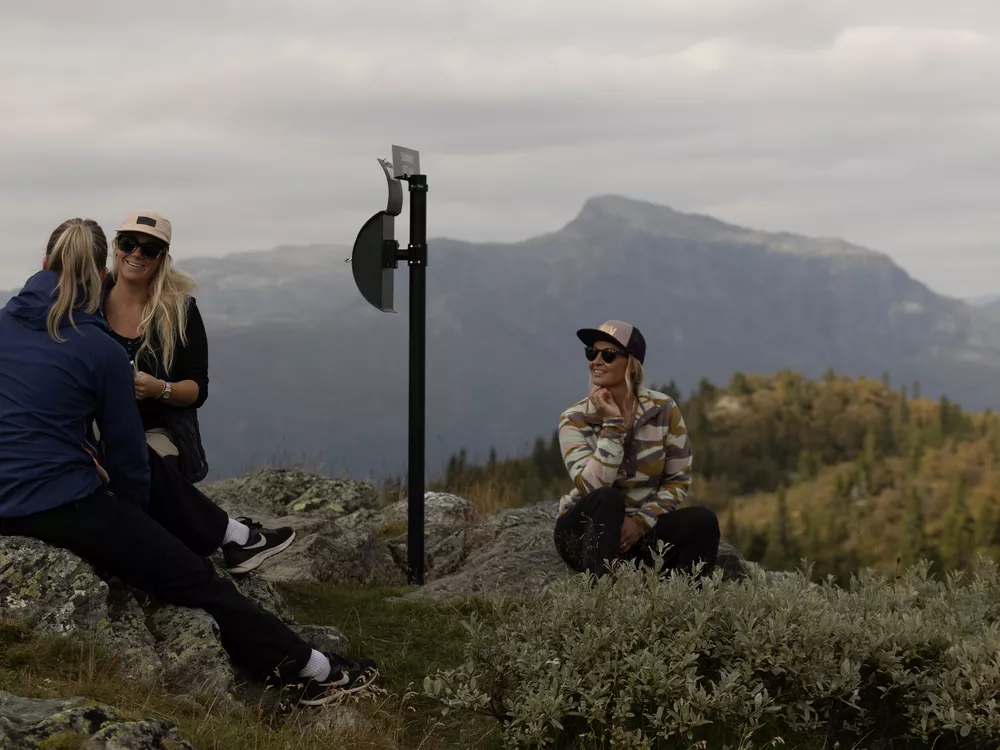
With the right clothing, your mountain experience becomes more comfortable, safer and far more enjoyable. Whether you’re heading out for a short walk, a full-day hike or just plan to be outdoors from morning to evening.
Layering – even in summer
Layering isn’t just for winter. In the mountains, it’s useful all year round. It allows you to adjust easily to temperature changes, wind and activity level – without having to turn back.
What to wear in summer
Lightweight, breathable jacket or mid-layer
Even warm summer days can feel cool in the evening or when the wind picks up. A thin jacket or light fleece doesn’t take up much space and is worth its weight.
T-shirt or shirt in technical fabric
Choose breathable, quick-drying materials for all-day comfort – especially when you’re on the move.
Shorts or lightweight hiking trousers
Freedom of movement is key. Shorts are great on warm days, while light trousers offer extra protection at higher altitudes.
Cap or sun hat
The sun can be strong in the mountains. A little shade goes a long way.
Sunglasses
Bright light and reflections from water and rock can be surprisingly intense.
Footwear with good support
Sturdy hiking shoes or lightweight mountain boots provide stability on varied terrain.
Swimwear
Yes, really. Mountain lakes, rivers and pools are often too tempting to resist on warm days.
What to pack in your backpack
Even on short hikes, your backpack is a small safety net. Weather can change, and trips often take longer than planned. You don’t need much – just the essentials.
An extra layer
A lightweight jacket, windproof layer or thin jumper can make a big difference when temperatures drop.
Food and water
Bring more than you think you’ll need. Fresh mountain air builds an appetite, and staying hydrated is essential on warm days.
Map or mobile with offline maps
Mobile coverage isn’t guaranteed everywhere. A bit of preparation adds a lot of peace of mind.
Sun protection
Sunscreen and sunglasses. The sun is strong at altitude, even when there’s a breeze.
Small first aid kit
Blister plasters, tape and a few basics can save the day.
Sit mat
For breaks with a view – and a bit of extra comfort.
Swimwear and a small towel
Just in case you pass a mountain lake you can’t say no to.
Comfort, safety and respect
Dressing properly in the mountains isn’t just about comfort or style. It’s about safety – and respect for nature. When you choose the right clothing and pack smart, you give yourself the freedom to explore the mountains in a safer, more relaxed way.
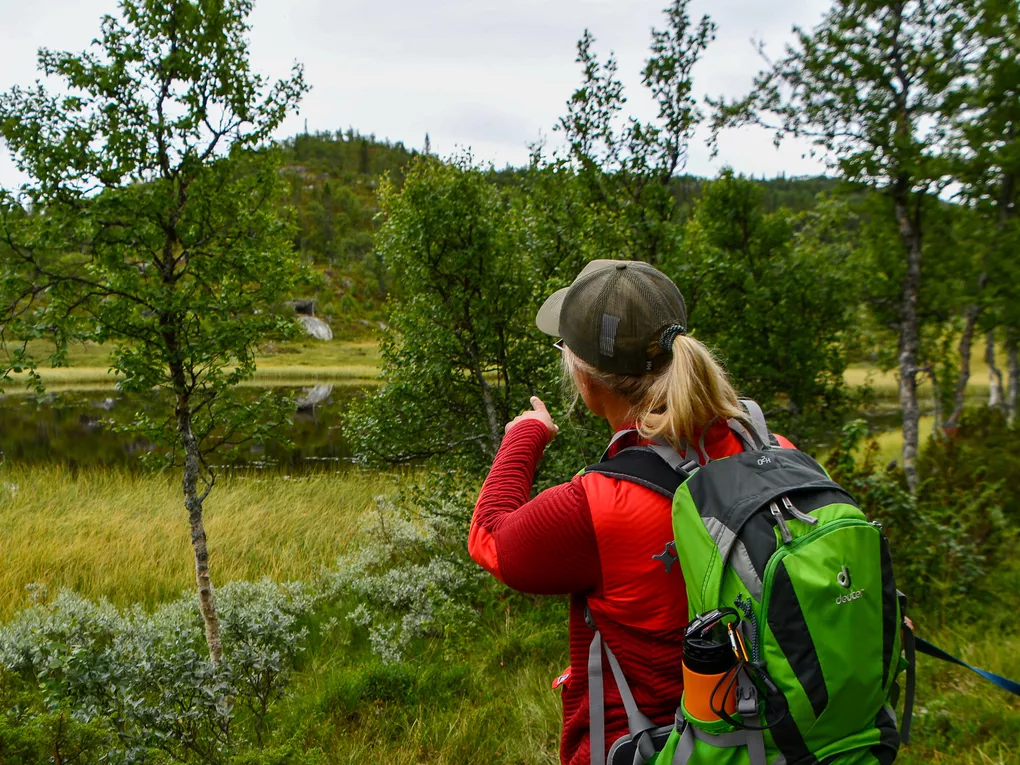
What to pack in your backpack
Even on short hikes, your backpack is a small safety net. Weather can change, and trips often take longer than planned. You don’t need much – just the essentials.
An extra layer
A lightweight jacket, windproof layer or thin jumper can make a big difference when temperatures drop.
Food and water
Bring more than you think you’ll need. Fresh mountain air builds an appetite, and staying hydrated is essential on warm days.
Map or mobile with offline maps
Mobile coverage isn’t guaranteed everywhere. A bit of preparation adds a lot of peace of mind.
Sun protection
Sunscreen and sunglasses. The sun is strong at altitude, even when there’s a breeze.
Small first aid kit
Blister plasters, tape and a few basics can save the day.
Sit mat
For breaks with a view – and a bit of extra comfort.
Swimwear and a small towel
Just in case you pass a mountain lake you can’t say no to.
Q&A: How to Dress for the Mountains in Summer
What should I wear in the mountains during summer?
Think layers. In Hemsedal, you can start your hike in sunshine and finish in wind, mist or a proper rain shower. Dress so you can easily add or remove layers along the way.
Why is layering so important?
Because mountains love surprises. Layers help you stay warm when needed and stop you overheating once your pulse starts rising.
What should I wear as a base layer?
Choose wool or technical fabrics that move moisture away from your skin. Cotton? It tends to take the day off when you need it most.
Do I really need a mid-layer in summer?
Yes. A light fleece or thin wool jumper can quickly become the hero of the day when the wind picks up or the clouds roll in.
Should I bring a rain jacket even if sunshine is forecast?
Short answer: yes. Slightly longer answer: definitely yes. Mountain weather can change faster than après-ski plans.
What shoes work best in the mountains?
Good hiking shoes or boots with grip are worth their weight in gold. Trails can be wet, rocky and a bit more adventurous than they look from a distance.
Are trainers enough?
For short and easy walks, they can work. If you're heading further, higher or into rougher terrain, proper hiking shoes are a safer bet.
What should always be in my backpack?
An extra layer, a windproof or waterproof jacket, water, snacks, sunglasses and a little extra energy. Mountain sense starts in your backpack.
Can I get sunburnt in the mountains?
Absolutely. The sun hits differently at altitude — even when the temperature feels kind.
What’s the most common thing people forget?
That summer in the mountains doesn’t always feel like summer. Many people dress for the car park, not for the summit.
How do I know if I’m dressed right?
If you feel slightly cool when you start and comfortably warm once you're moving, you’re probably spot on.